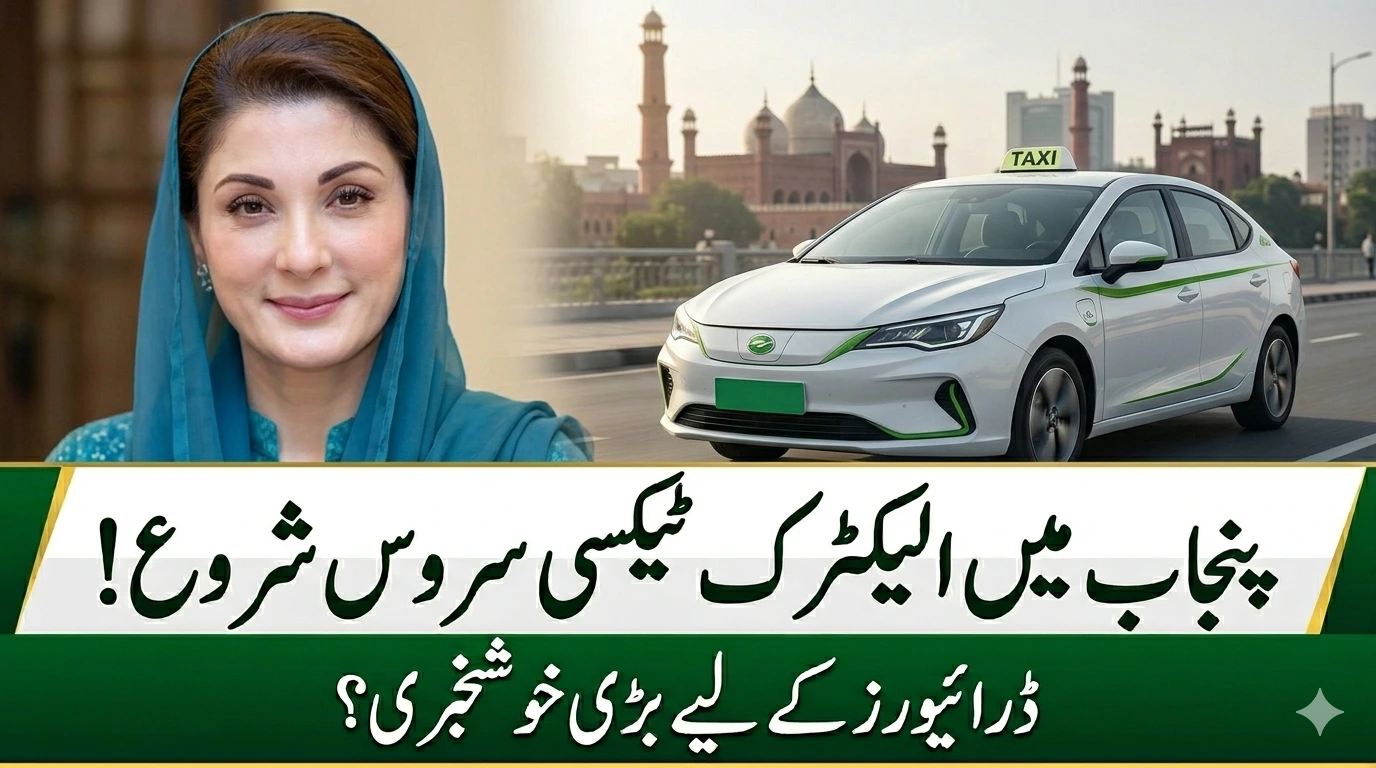
Punjab has stepped into the electric mobility space with a new government-backed taxi program. The initiative aims to reduce fuel expenses, lower air pollution, and open up income opportunities—especially for women.
The first phase has started in Lahore, with more cities expected to join soon. Here’s a complete breakdown of how the program works, who can apply, and why it matters.
This article is published by the official platform of Readinfos.
Learn more about Readinfos here.
Why Punjab Is Moving Toward Electric Taxis
Transport is one of the biggest contributors to urban air pollution in Pakistan. Rising fuel prices have also made it harder for drivers to earn stable profits.
Electric vehicles (EVs) offer a practical alternative because:
- They run on electricity instead of petrol or diesel
- Maintenance costs are generally lower
- They produce zero tailpipe emissions
- Operating costs per kilometer are significantly reduced
By shifting taxis to electric power, the provincial government hopes to address both environmental and economic challenges at the same time.
پنجاب الیکٹرک ٹیکسی اسکیم 2026
ابھی اپنا CNIC دیں اور اپلائی کریں!
How the Electric Taxi Program Works
The program introduces a fleet of electric cars that drivers can acquire at subsidized rates. Instead of paying the full upfront cost, eligible applicants receive financial support from the government.
Key Highlights of the Launch Phase
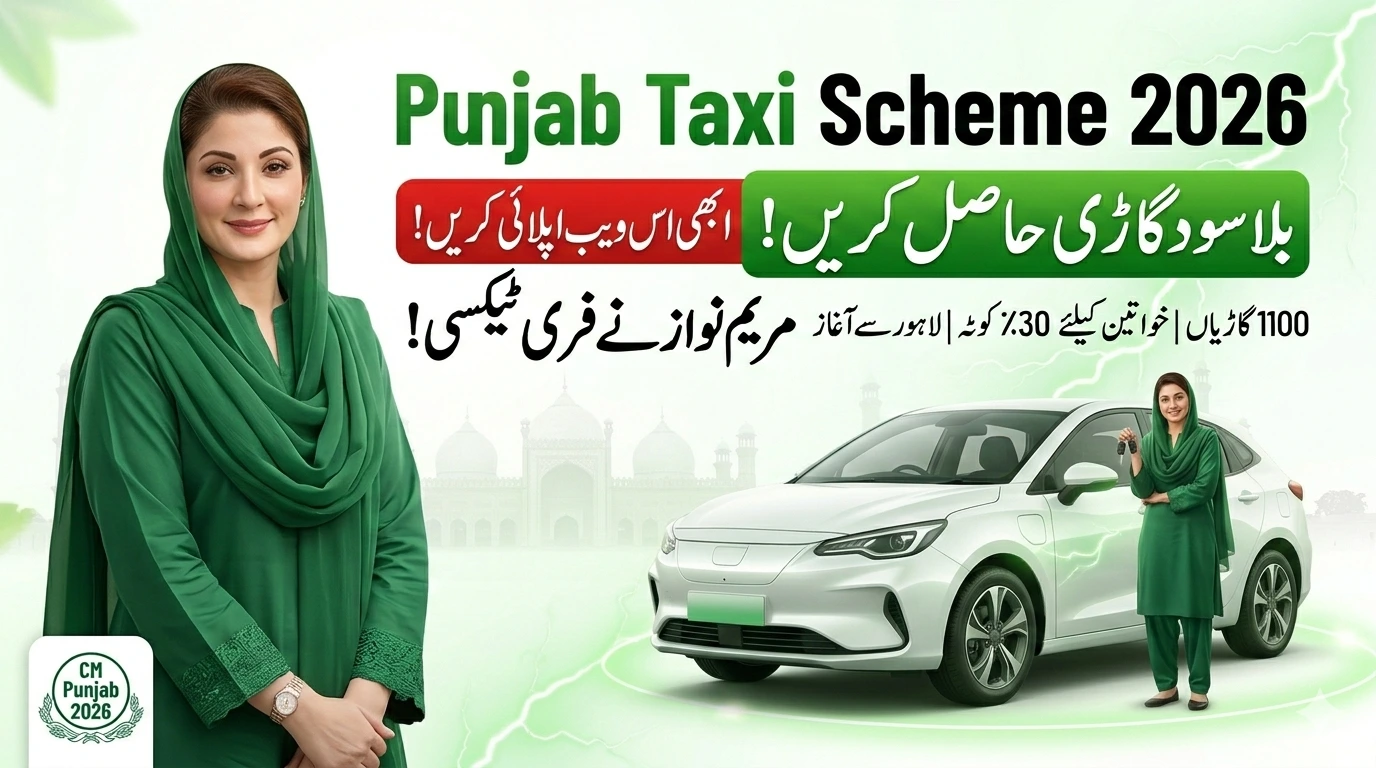
1,100 electric taxis introduced in the initial rollout
Pilot operations started in Lahore
Expansion planned for other districts
Vehicles expected to begin operations within days of distribution
This phased rollout allows authorities to test infrastructure, charging systems, and operational logistics before expanding province-wide.
Financial Support and Subsidy Structure
One of the biggest barriers to owning a vehicle is the upfront payment. To make electric taxis accessible, the government is covering a portion of the initial cost.
Here’s how the financial assistance works:
The government contributes toward the down payment
Total subsidy allocation reaches billions of rupees
Drivers pay a reduced upfront amount compared to market rates
Women applicants receive significantly higher financial relief
This structure lowers the entry barrier for individuals who want to join the ride-hailing or taxi industry but lack large savings.
Special Focus on Women Drivers
A major feature of the program is the inclusion of women in the transport workforce.
30% Quota Reserved for Women
Nearly one-third of the allocated vehicles are set aside for female applicants. This move aims to:
Encourage women’s economic participation
Provide safer ride options for female passengers
Support financial independence
Women applicants also receive additional financial support, reducing their upfront payment burden even further.
In a country where public transport is often male-dominated, this policy could reshape the industry.
Economic Impact for Drivers
For many taxi drivers, fuel costs take up a large share of daily earnings. Electric vehicles change that equation.
Lower Running Costs
Electric taxis typically offer:
Lower cost per kilometer compared to petrol cars
Fewer engine-related repairs
Reduced oil and filter replacement expenses
Over time, these savings can improve take-home income.
Stable Earning Opportunities
With ride-hailing services expanding across urban centers, demand for taxis remains strong. An electric vehicle with lower operating expenses means drivers can keep more of what they earn.
Environmental Benefits for Punjab
Punjab’s major cities face serious air quality challenges. Smog seasons have highlighted the urgent need for cleaner transport solutions.
Electric taxis help by:
Eliminating exhaust emissions
Reducing reliance on imported fuel
Supporting long-term clean energy goals
If the program scales successfully across districts, the cumulative impact on air quality could be significant.
Infrastructure and Charging Facilities
Electric mobility requires reliable charging networks. While the program has begun in Lahore, expansion depends on infrastructure readiness.
For long-term success, authorities will need:
Public charging stations in key areas
Fast-charging options for commercial drivers
Clear maintenance and support systems
Partnerships with energy providers
Without proper charging access, adoption could slow. This makes infrastructure development just as important as vehicle distribution.
Expansion Beyond Lahore
The initial rollout focuses on Lahore as a test case. After evaluating performance, the government plans to introduce electric taxis in other districts.
The broader vision includes:
Coverage across multiple cities
Integration with public transport systems
Alignment with other green transport projects
Officials have also referenced ongoing electric and hybrid bus initiatives, suggesting a wider transition toward sustainable mobility.
Who Can Apply?
While detailed eligibility criteria may vary, typical requirements for such programs include:
Valid driving license
Clean driving record
Residency within the province
Financial eligibility documentation
Applicants are usually required to complete a formal registration process through designated government channels.
Prospective drivers should check official announcements for updated guidelines and deadlines.
What This Means for the Ride-Hailing Industry
Electric taxis could change the cost structure for ride-hailing drivers working with platforms like Careem and Uber.
Potential advantages include:
Higher profit margins
Competitive pricing for passengers
Improved brand perception through eco-friendly rides
As more drivers shift to electric vehicles, customers may begin to prefer greener transport options.
Challenges to Watch
Every new program comes with obstacles. Some potential concerns include:
Battery replacement costs after several years
Electricity supply stability
Resale value of electric vehicles
Driver training on EV maintenance
Addressing these issues early will help ensure long-term sustainability.
The Bigger Picture: A Shift in Transport Policy
The electric taxi initiative is part of a broader strategy to modernize Punjab’s transport system. Alongside buses and other clean mobility projects, the goal appears to be reducing reliance on fossil fuels.
If implemented effectively, this could:
Improve urban air quality
Lower national fuel import bills
Encourage local EV assembly and manufacturing
Create new green jobs
The long-term success will depend on consistent policy support and infrastructure investment.
FAQs
1. How many electric taxis have been introduced in the first phase?
The initial rollout includes 1,100 electric taxis, starting in Lahore.
2. Is there a quota for women?
Yes. Thirty percent of the vehicles are reserved for female applicants, with additional financial assistance available.
3. Are drivers required to pay the full vehicle cost upfront?
No. The government provides subsidy support to reduce the down payment and overall financial burden.
4. When will electric taxis expand beyond Lahore?
Expansion is planned after the pilot phase, with additional districts expected to join in the coming weeks.
5. Why are electric taxis considered better than fuel-based taxis?
They produce no exhaust emissions, cost less to operate, and require less routine maintenance compared to petrol vehicles.